
How Proper Base Installation Prevents Shifting Paver Walkways
Hiring local contractors skilled in proper base installation ensures paver walkways stay level and stable, preventing shifting and long-term damage.
Ensuring a solid foundation is essential for maintaining the stability and longevity of paver walkways. Proper base installation involves preparing the ground with the right materials and techniques to prevent shifting, sinking, or uneven surfaces over time. Property owners in the area often seek guidance on how to achieve a durable base because it directly impacts the appearance and safety of outdoor pathways. By understanding the importance of a well-installed base, homeowners can make informed decisions and avoid common issues that lead to costly repairs or replacements.
Local contractors who specialize in paver installation are equipped to handle the critical steps involved in creating a stable base. They understand how to select appropriate materials and follow best practices to ensure the pavers stay in place despite foot traffic or weather conditions. Exploring how proper base installation prevents shifting paver walkways can help property owners protect their investment and enjoy a smooth, attractive outdoor space. Keep reading to learn more about the benefits of professional base preparation and how it supports the durability of paver projects.
- Paver installation - when a homeowner notices shifting or uneven paver walkways, local contractors focus on proper base preparation to ensure stability. Foundation work - if a paver surface begins to settle or crack, experienced service providers emphasize proper base installation to prevent future shifting. Driveway paving - in areas prone to shifting due to soil movement, local pros implement solid base layers to maintain the integrity of paver walkways. Patio paving - when existing walkways become uneven over time, service providers often recommend re-installing the base to keep pavers securely in place. Walkway construction - for new installations or repairs, local contractors prioritize proper base installation to prevent future shifting and maintain a level surface.
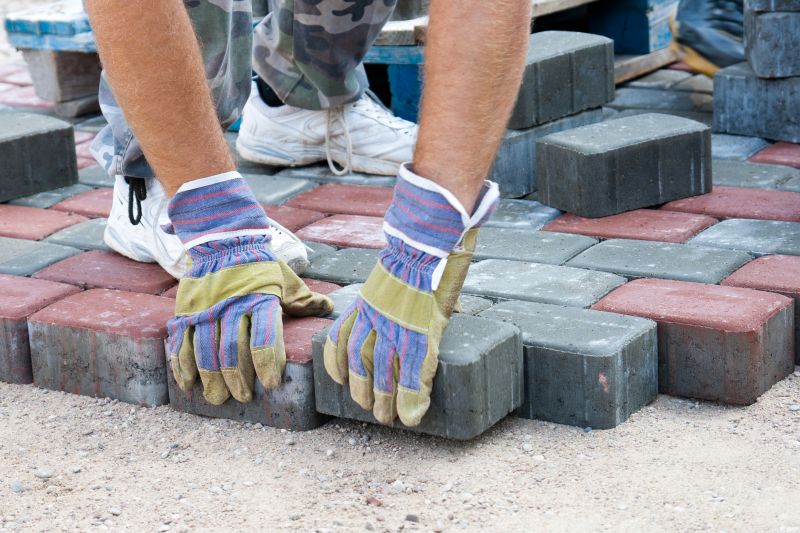
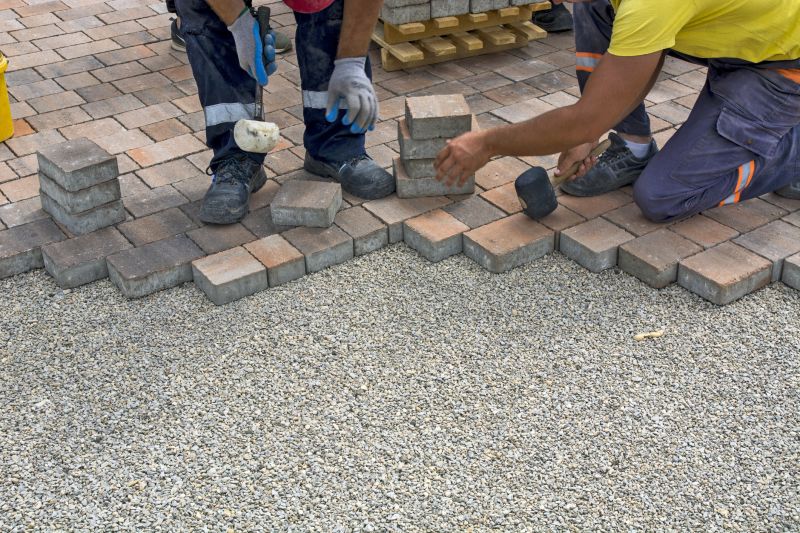
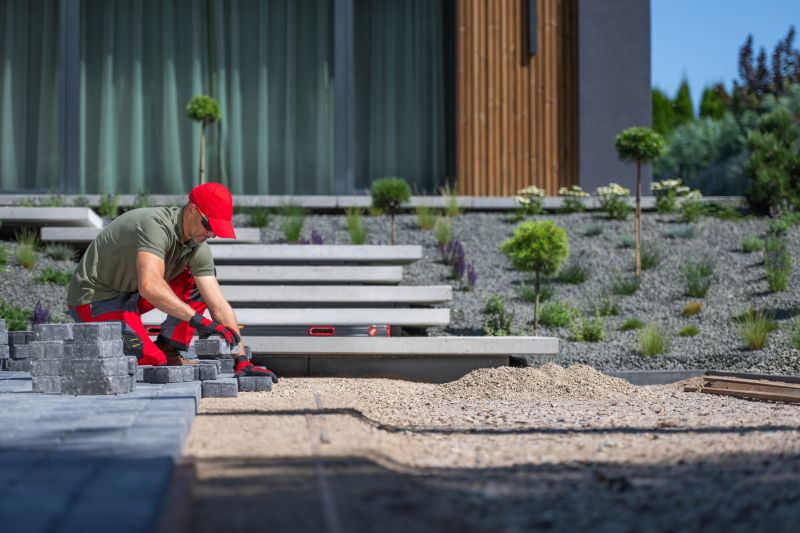
When homeowners search for information about how proper base installation prevents shifting paver walkways, they are often looking to understand why their existing walkways become uneven or develop movement over time. This concern typically arises after noticing loose or uneven pavers that create tripping hazards or diminish curb appeal. The focus is on preventing these issues through correct installation practices, especially the preparation of the foundation beneath the pavers. Proper base installation is essential for ensuring the stability and longevity of a walkway, making it a common topic for those planning new projects or seeking to repair and stabilize existing surfaces.
Problems related to shifting paver walkways are frequently connected to poor foundation work or inadequate sub-base preparation. When the base layer is not properly installed, it may settle unevenly, leading to pavers shifting, cracking, or developing gaps. This can be caused by factors such as improper compaction, insufficient base material, or failure to use a proper edge restraint system. Property owners often consider plans to replace or repair a walkway after experiencing these issues, and understanding how proper base installation can prevent them is key to making informed decisions about repairs or new installations.
The types of properties that commonly encounter shifting paver walkways include residential homes, especially those with landscaped yards or uneven terrain, as well as commercial properties with paved walkways. Homes with clay, sandy, or poorly-drained soils are more susceptible to movement, making a solid base even more critical. Additionally, properties with high foot traffic or heavy loads may experience more stress on the pavers, making proper base installation an important factor in maintaining a safe and durable walkway. Local contractors who specialize in paver installation are equipped to assess these property conditions and recommend the best foundation approach to prevent future shifting.
Understanding how proper base installation prevents shifting paver walkways helps homeowners grasp the importance of foundation quality in paving projects. By working with experienced service providers, property owners can ensure the base is correctly prepared using suitable materials, proper compaction techniques, and effective edge restraints. These steps create a stable platform that resists settling and movement over time. When selecting a local contractor, it’s beneficial to confirm their knowledge of proper base installation methods, as this directly impacts the durability and appearance of the finished walkway. Proper foundation work is a crucial investment in maintaining a safe, attractive, and long-lasting paved surface.
Landscape Design Projects - Proper base installation techniques are essential in creating stable foundations for various outdoor surfaces, including walkways and patios, which are often part of landscape design work handled by local contractors.
Patio and Deck Construction - Building patios and decks requires precise planning of the base to prevent shifting and ensure long-term stability, a skill shared by local service providers specializing in outdoor hardscaping.
Driveway Paving Services - Proper base preparation is critical in driveway paving to avoid uneven surfaces and shifting over time, making it a common focus for local paving contractors.
Retaining Wall Installation - Installing retaining walls involves careful base preparation to ensure structural integrity, a process similar to establishing a stable foundation for paver walkways.
Concrete Flatwork Projects - Achieving a smooth, durable concrete surface depends on proper base setup, a foundational skill that local pros use across various flatwork applications.
Garden Pathway Construction - Constructing garden pathways with pavers or stones requires attention to base stability to prevent shifting, a key aspect handled by experienced local contractors.
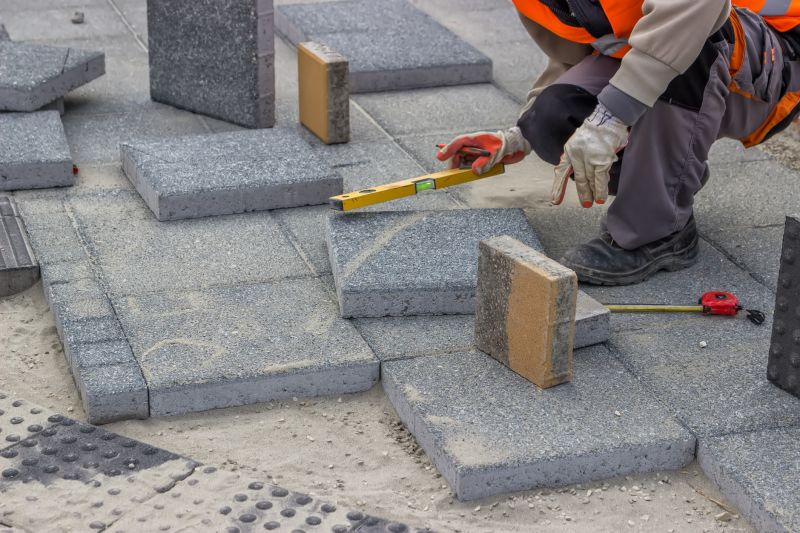
When evaluating contractors for paver installation, it’s important to consider their experience with similar projects, particularly those involving proper base installation that prevents shifting walkways. Service providers with a track record of successful paver work are more likely to understand the critical role of a well-prepared base in ensuring long-lasting, stable results. Homeowners should inquire about previous projects, seek examples of completed work, and verify that the contractor has handled installations of comparable scope and complexity. This background can provide confidence that the contractor understands how proper base preparation contributes to preventing shifting and uneven surfaces over time.
Clear written expectations are essential when comparing local contractors for paver installation services. A detailed project outline should specify the steps involved in base preparation, including material choices and installation techniques that support stability. Homeowners are encouraged to review proposals carefully and ask questions to ensure that the scope of work addresses key factors like proper excavation, base compaction, and edge restraint installation. Having a comprehensive understanding of what the project entails helps prevent misunderstandings and ensures that the contractor’s approach aligns with best practices for preventing shifting walkways through proper base installation.
Reputable references and effective communication are vital indicators of a reliable service provider. Speaking with previous clients or reviewing references can reveal insights into how well a contractor manages projects, especially regarding the quality of their base installation work. Good communication throughout the process allows homeowners to stay informed about progress and any potential concerns related to the stability of the walkway. Contractors who are transparent, responsive, and willing to discuss their methods and materials are more likely to deliver results that meet expectations, ultimately helping to maintain a stable, long-lasting paver walkway that resists shifting over time.
Property owners often search for how proper base installation prevents shifting paver walkways when they are planning practical projects around their homes and businesses. Local pros provide Paver Installation services for everyday jobs and straightforward project options.
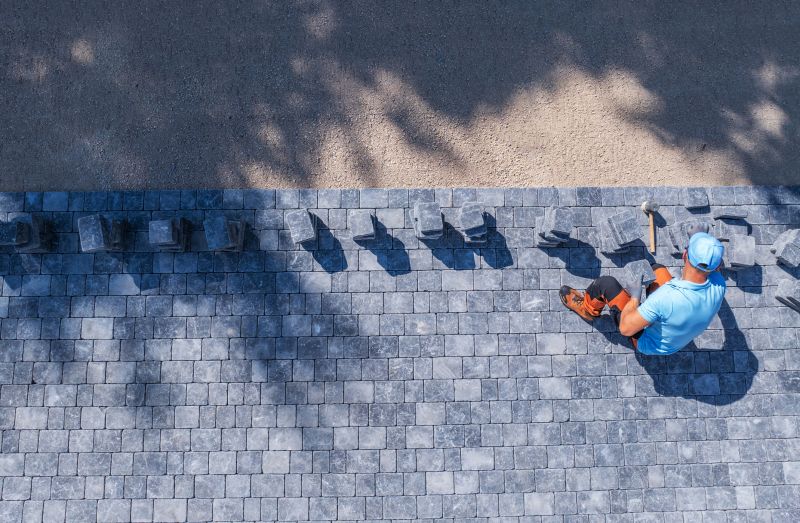
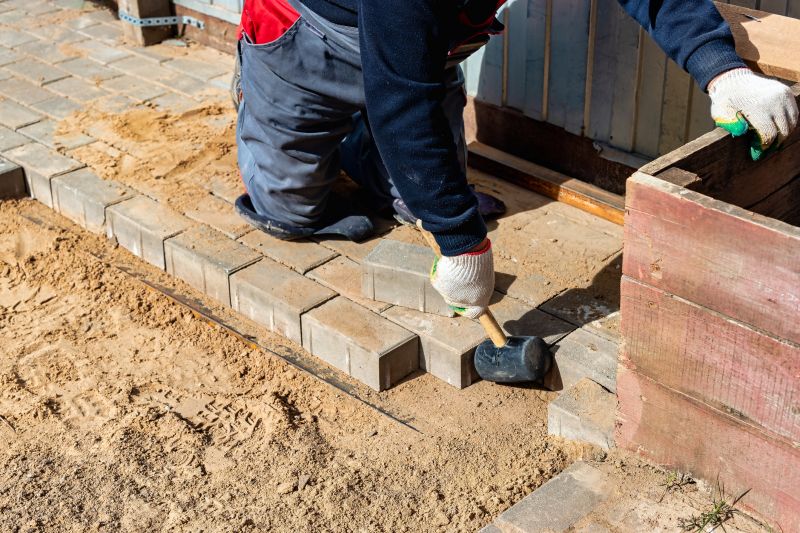
Proper base installation is a key factor in ensuring paver walkways stay level and intact over time. For property owners handling small DIY projects or planning larger outdoor upgrades, understanding how a solid foundation prevents shifting paver walkways can save them from future repairs and uneven surfaces. When local contractors prepare the base correctly-using appropriate materials, proper compaction, and a stable subgrade-they create a strong foundation that resists shifting caused by soil movement, weather changes, or heavy foot traffic. This attention to detail helps ensure that the walkway remains smooth and safe, reducing the likelihood of uneven pavers or costly fixes down the line.
Many property owners seek out professional paver installation services to avoid common issues like shifting or sinking pavers. Local service providers who prioritize proper base installation can help homeowners and business owners achieve a durable, long-lasting walkway. These experts understand the importance of proper excavation, base material layering, and compaction techniques to prevent future shifting. By choosing experienced local contractors, property owners can have confidence that their paver walkways will stay in place, maintaining their appearance and functionality for years to come.
How does a proper base installation prevent paver walkways from shifting? A proper base provides a stable and even foundation that distributes weight evenly, reducing the risk of movement and shifting over time.
Why is selecting the right base material important for preventing shifting? The right base material offers adequate drainage and compaction, which helps maintain stability and prevents settling that can cause shifting.
How do local contractors ensure the base is properly installed for paver walkways? They prepare the ground thoroughly, use appropriate base materials, and compact each layer properly to create a solid, stable foundation.
Can improper base installation lead to uneven surfaces in paver walkways? Yes, an inadequate base can cause uneven settling and shifting, resulting in an uneven or cracked surface over time.
What role does proper base installation play in the overall durability of paver walkways? It ensures the walkway remains stable and resistant to shifting, extending its lifespan and maintaining its appearance.
Proper site assessment - Property owners can work with local contractors to evaluate soil conditions and plan for a stable base before installing pavers.
Choosing quality base materials - Selecting the right gravel and sand layers with the help of local pros ensures a solid foundation that resists shifting.
Ensuring proper compaction - Local service providers can compact each layer thoroughly to prevent settling and movement over time.
Consistent base preparation techniques - Following best practices in base installation, guided by experienced contractors, helps maintain the walkway’s stability.
If you are thinking about how proper base installation prevents shifting paver walkways for a property, this guide is meant to help you understand this topic, the typical project types, and how different options might fit your plans.
When you are ready, you can use the quote form on this page to share a few details about your project. From there, local pros can review the basics and follow up with options that match what you have in mind.